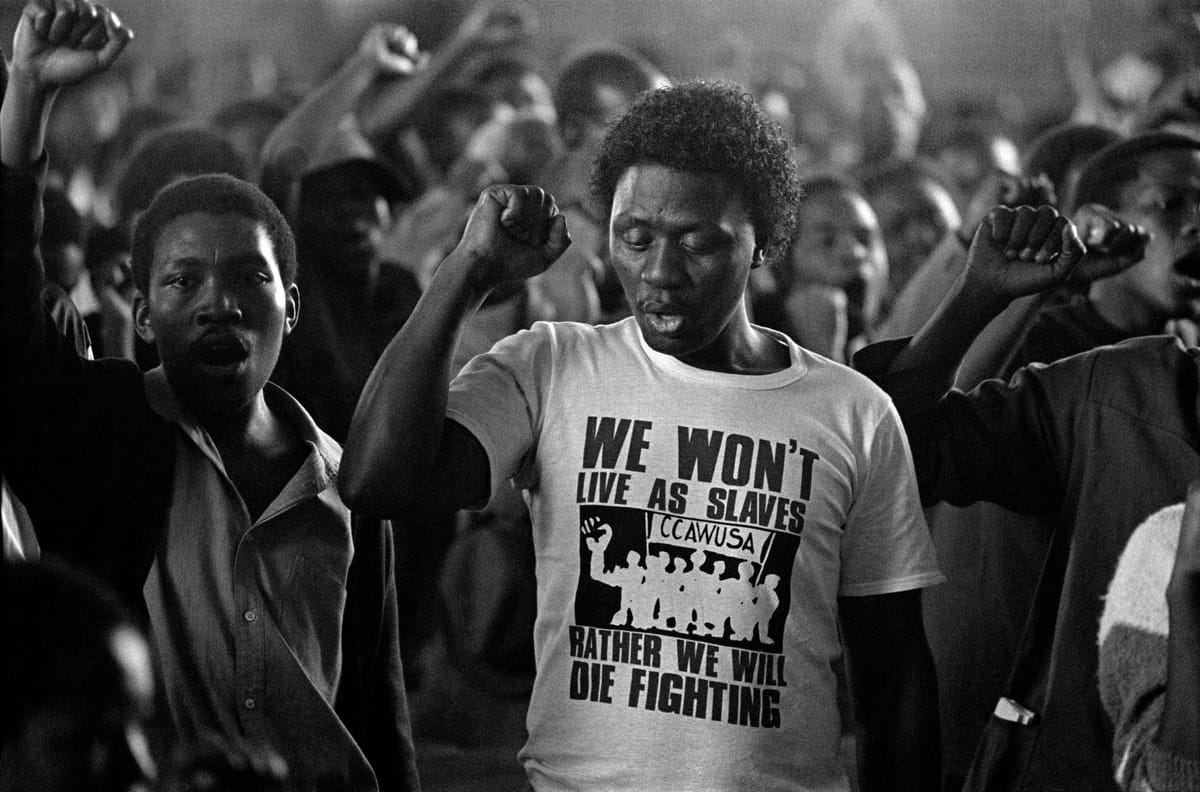
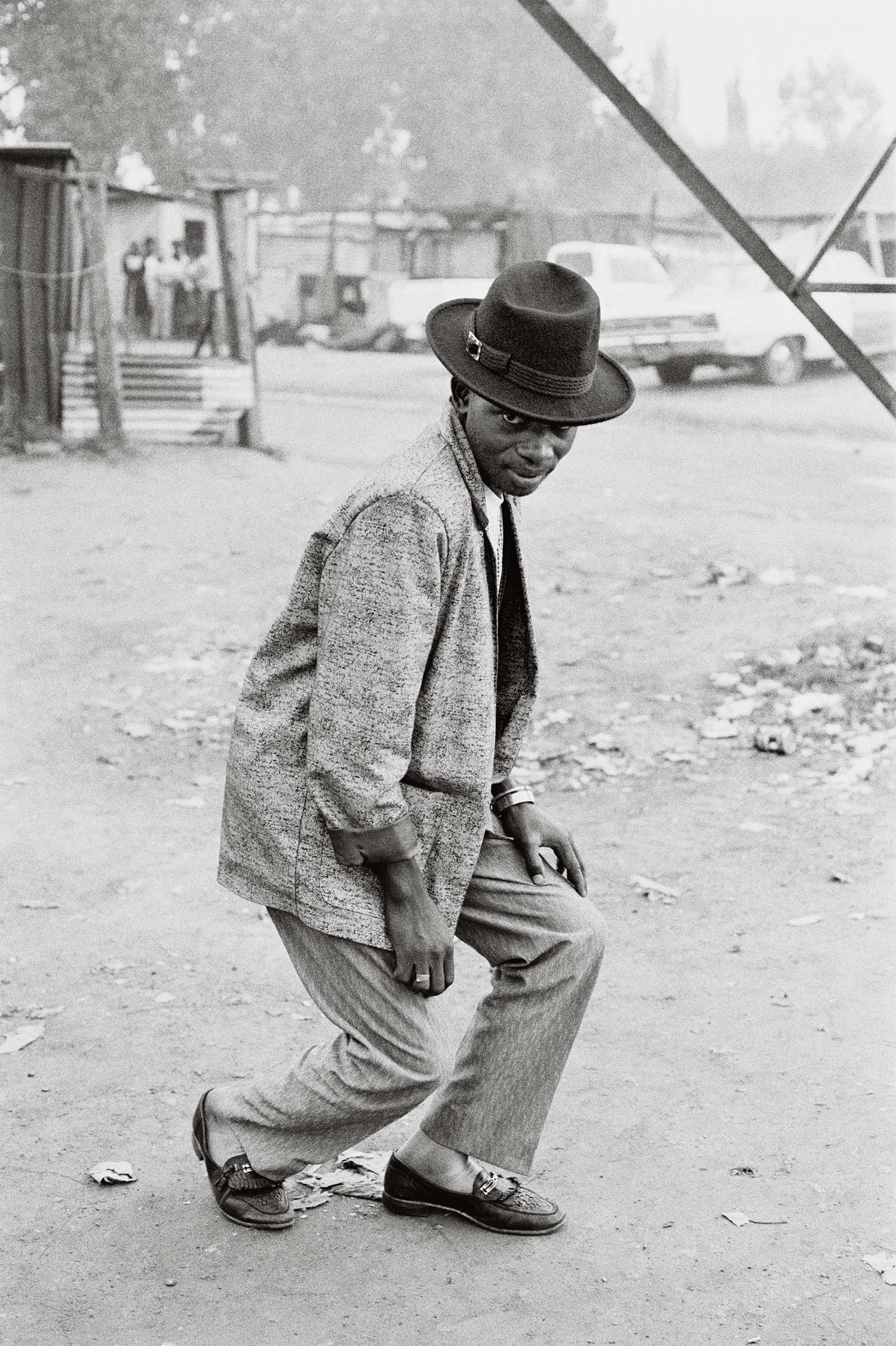
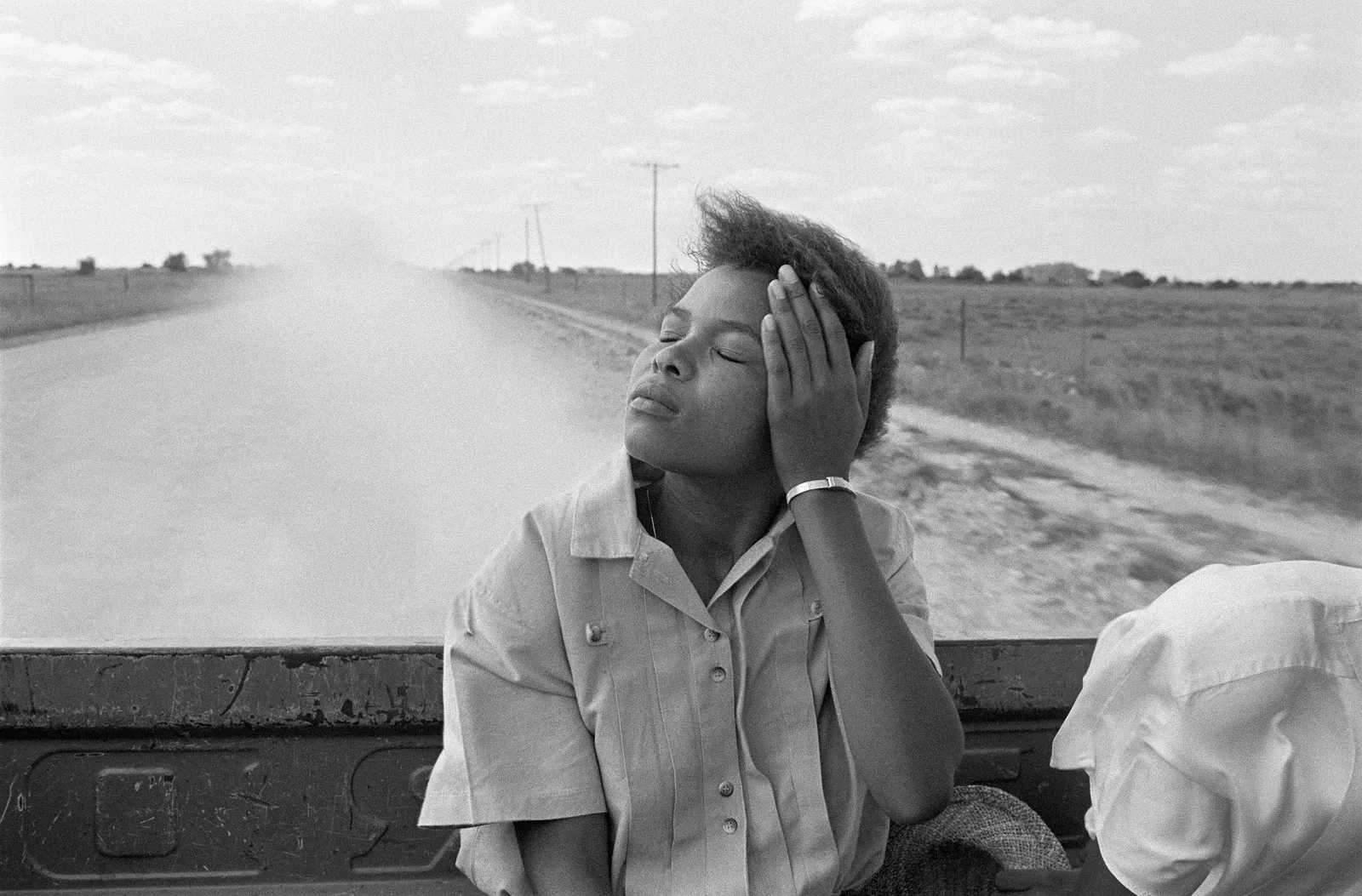
In one photograph, a man wearing a wide-brimmed hat bends his knees, caught somewhere between a dance and a moment of contemplation. In another, a woman sits in the back of a moving vehicle, eyes closed, her face turned towards the open air. Elsewhere, children gather beneath a towering metal structure, a crowd raises clenched fists, and smoke drifts through the narrow passages of a township.
These are the worlds of Santu Mofokeng, one of South Africa's most significant photographers. His black-and-white images reveal a country shaped by political struggle, but equally defined by the intimate, often overlooked moments of everyday existence.
Born in Johannesburg in 1956, Mofokeng began photographing during the turbulent final decades of apartheid. At a time when images of South Africa were dominated by political violence, protests and state repression, his work offered something more nuanced. Rather than focusing exclusively on the spectacle of resistance, he turned his attention towards the people living within these circumstances: their relationships, rituals, movements and moments of solitude.
His photographs are political, but rarely in the most obvious sense.
A gathering of protesters, fists raised in solidarity, speaks directly to the collective struggle against apartheid. Yet a photograph of people dancing in a modest room carries its own significance. It captures joy, community and the simple insistence on living fully in a society designed to restrict Black life.
For Mofokeng, these moments were not separate from the political reality of South Africa. They were part of it.
Beyond the Documentary
Mofokeng's approach distinguished him from many of his contemporaries working within South Africa's documentary photography tradition. Although he was associated with the influential Afrapix collective, which documented the injustices of apartheid, his interests extended beyond conventional photojournalism.
He was drawn to ambiguity, atmosphere and the relationship between people and the spaces they inhabited. His photographs often resist immediate explanation, inviting viewers to consider what exists beyond the frame.
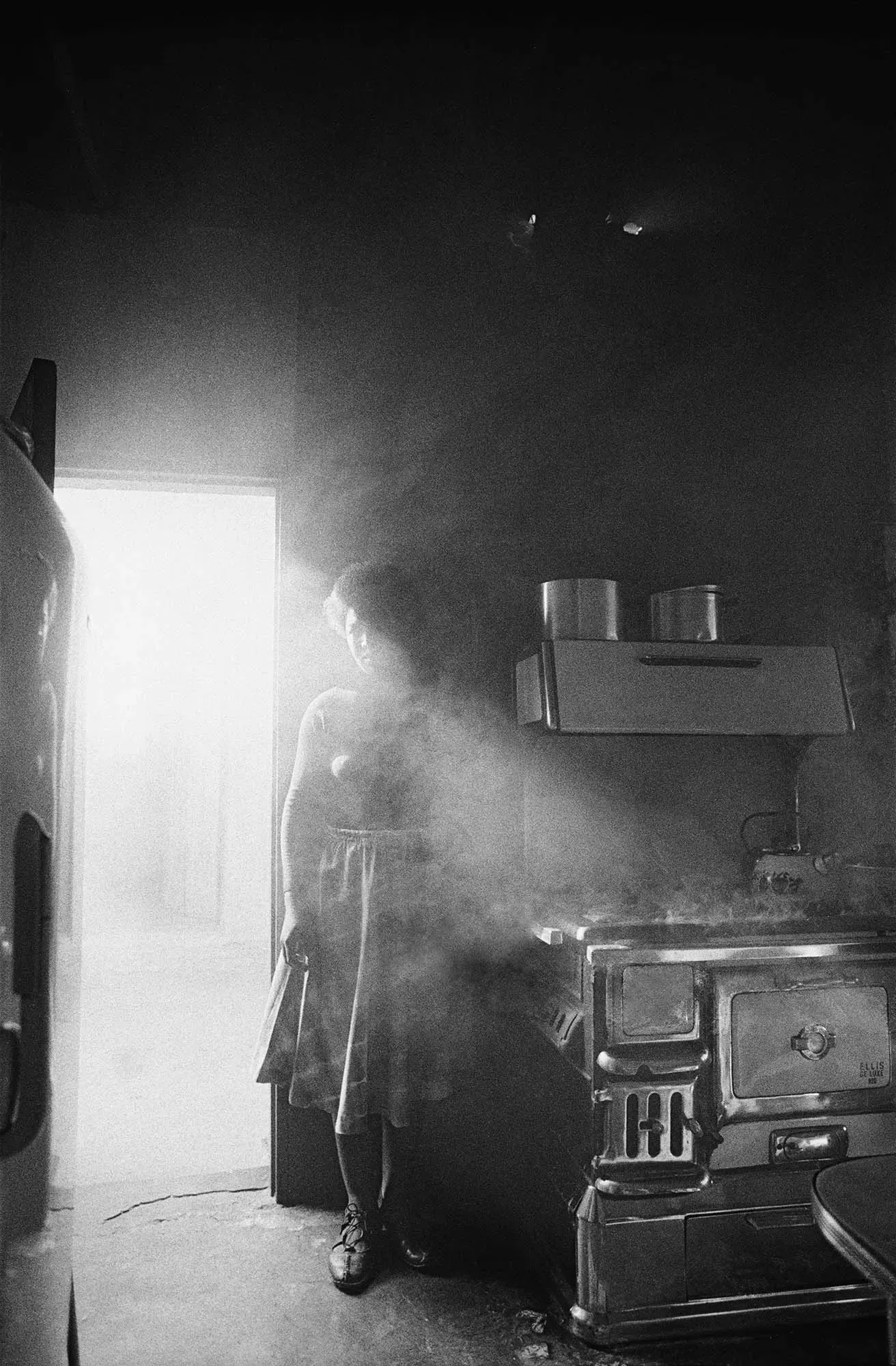
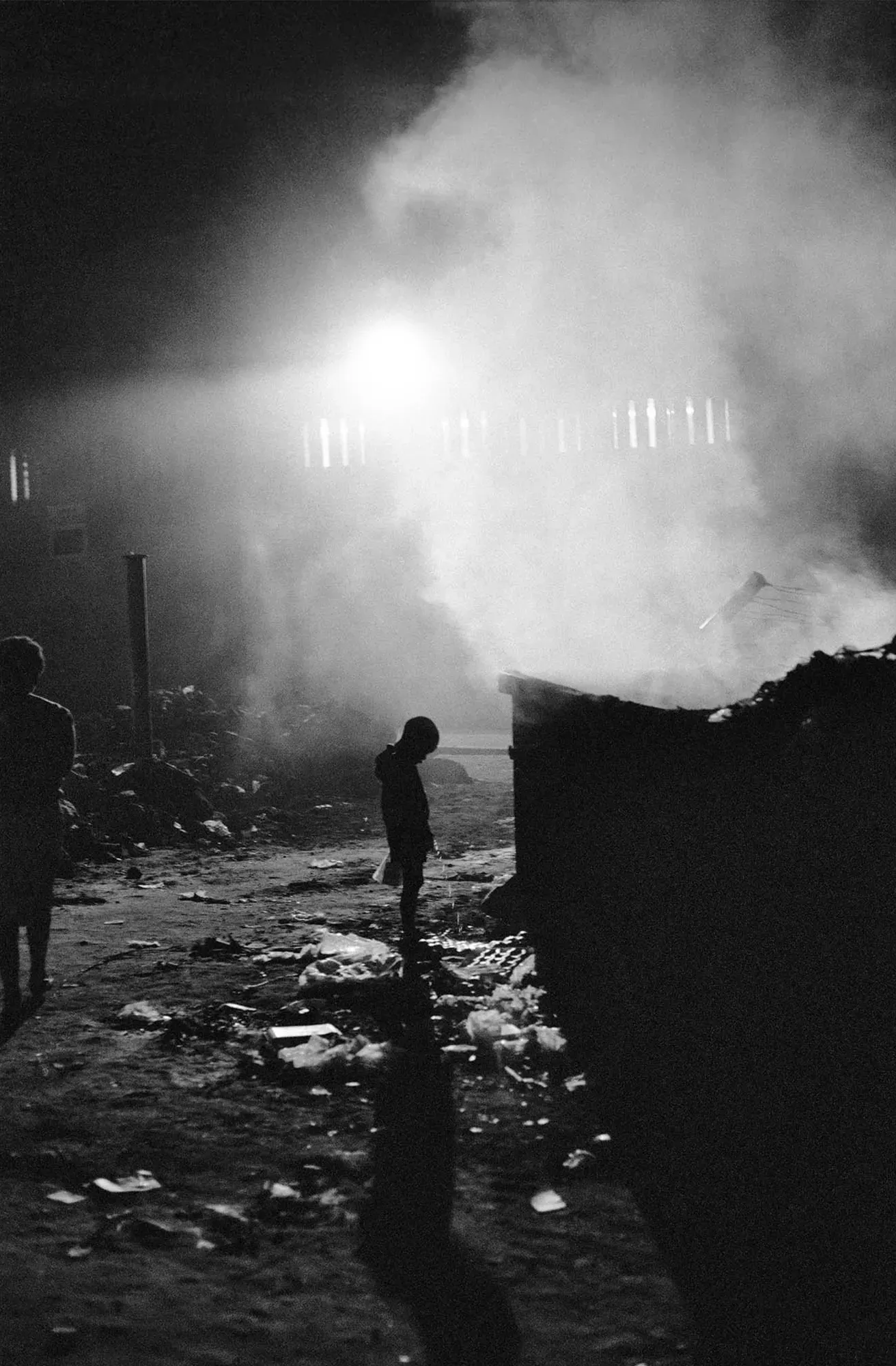
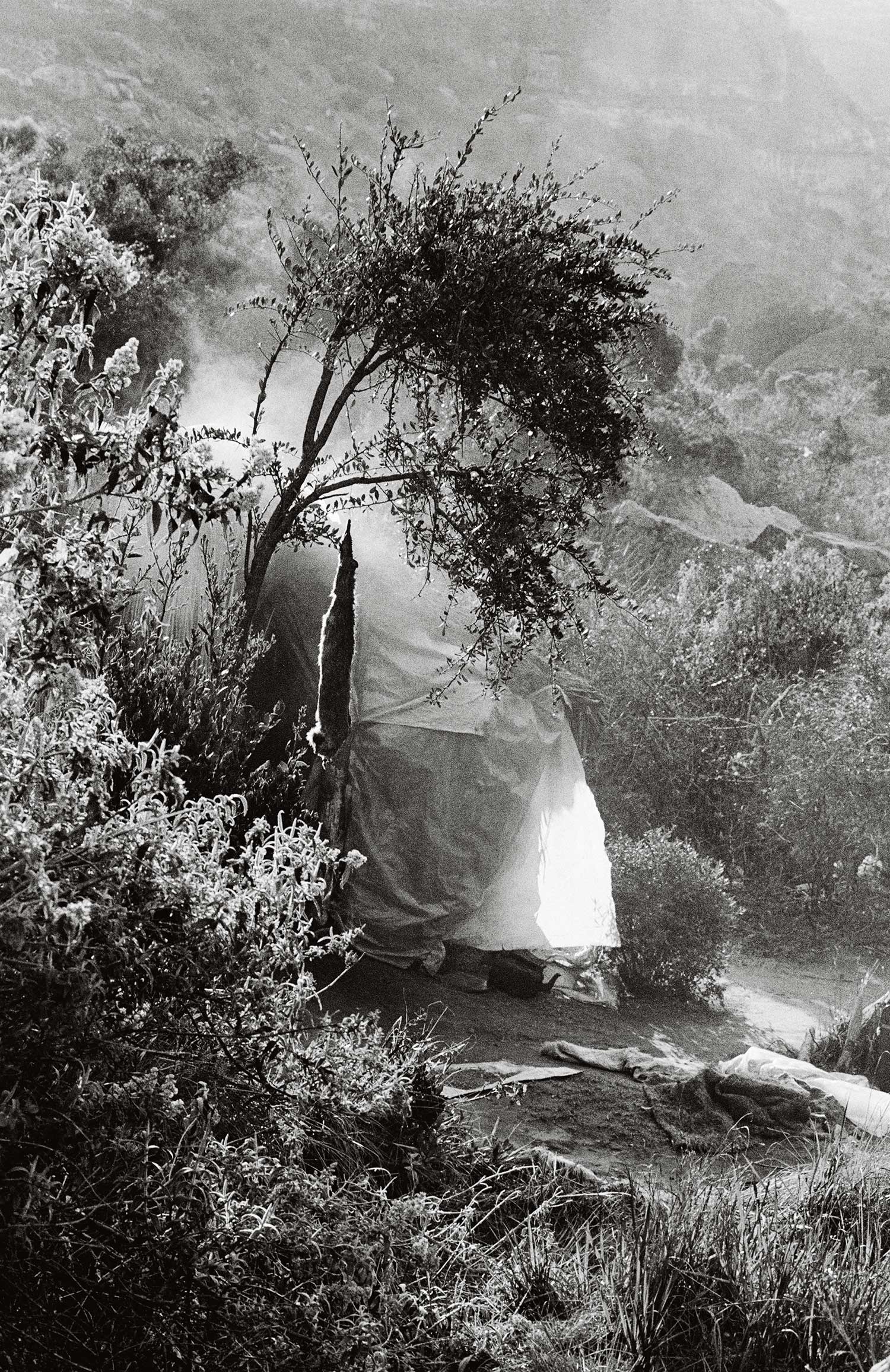
In an image of a makeshift shelter surrounded by vegetation, the landscape feels almost otherworldly. Elsewhere, a solitary figure stands in a darkened settlement, illuminated by a cloud of smoke and distant light. These scenes possess a dreamlike quality, blurring the boundaries between documentary observation and something more poetic.
Light, shadow and grain become essential elements of his visual language. Faces emerge from darkness, figures dissolve into their surroundings, and familiar landscapes take on an unsettling beauty.
There's a patience to these images. Mofokeng allows ordinary gestures and environments to carry their own emotional weight, without forcing them into a singular narrative.
The Spaces Between
Throughout his career, Mofokeng explored the complex relationship between land, memory and belonging. His photographs of townships, rural landscapes and spiritual gatherings reveal how people negotiate their identities through the spaces they occupy.
A panoramic view of tightly packed township homes, stretching towards the horizon, speaks to the physical realities of segregation. Yet within these environments, Mofokeng also found evidence of community, resilience and cultural expression.
His celebrated series Train Church documented religious gatherings aboard commuter trains, transforming spaces associated with exhausting journeys and economic necessity into places of spiritual connection. Similarly, his long-running exploration of landscapes questioned how history, displacement and collective memory become embedded in the land itself.
These concerns run throughout his work. Even when photographing people, Mofokeng frequently draws attention to their surroundings, suggesting that personal experience cannot be separated from the social and historical forces shaping it.
His images ask us to look beyond what is immediately visible.
A Different Way of Seeing
What makes Mofokeng's photography enduring is its refusal to reduce South African life to a single story.
There is hardship, certainly. The material conditions of apartheid are impossible to ignore. But there is also humour, movement, tenderness, spirituality and an unmistakable sense of individuality.
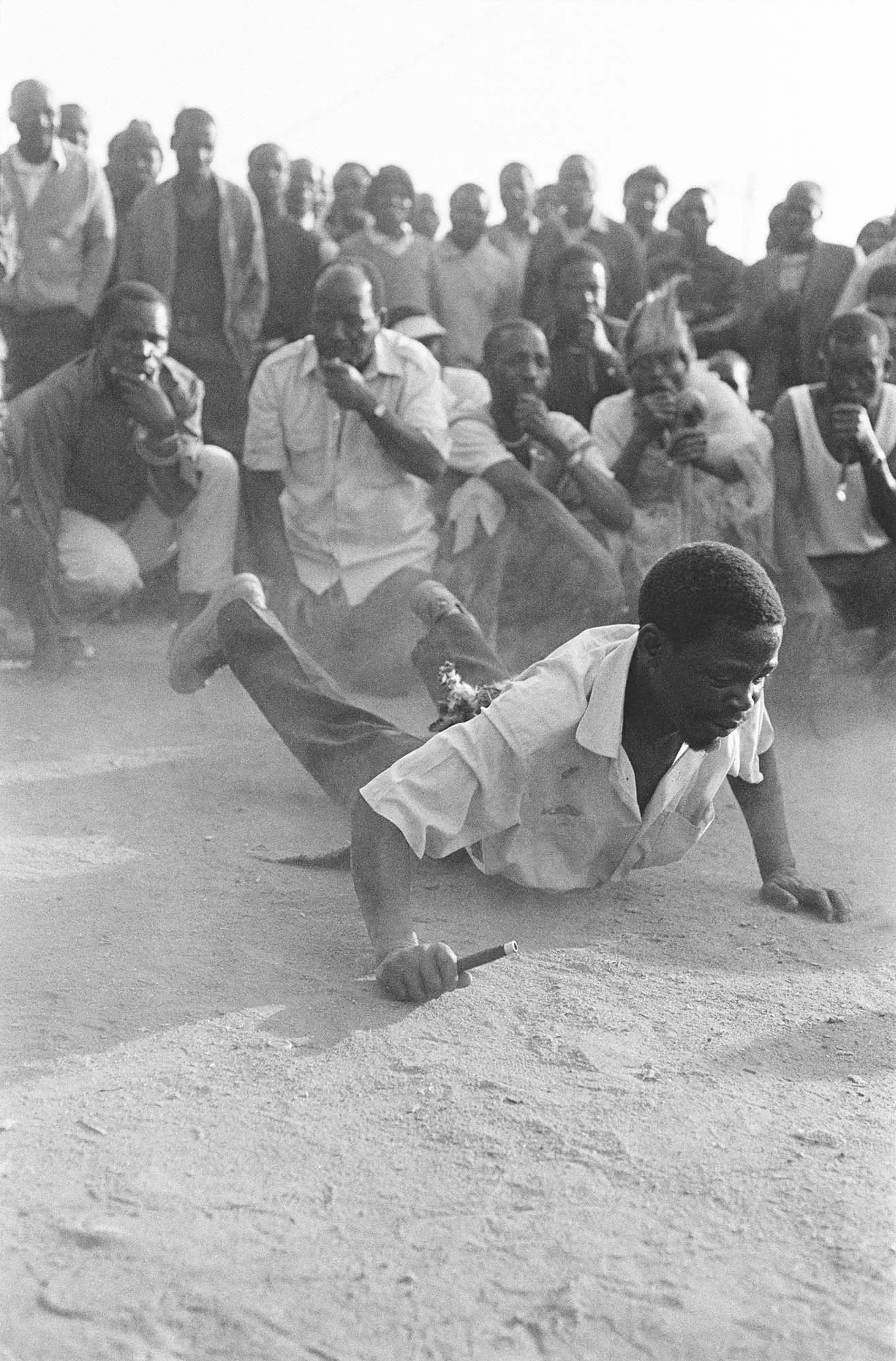
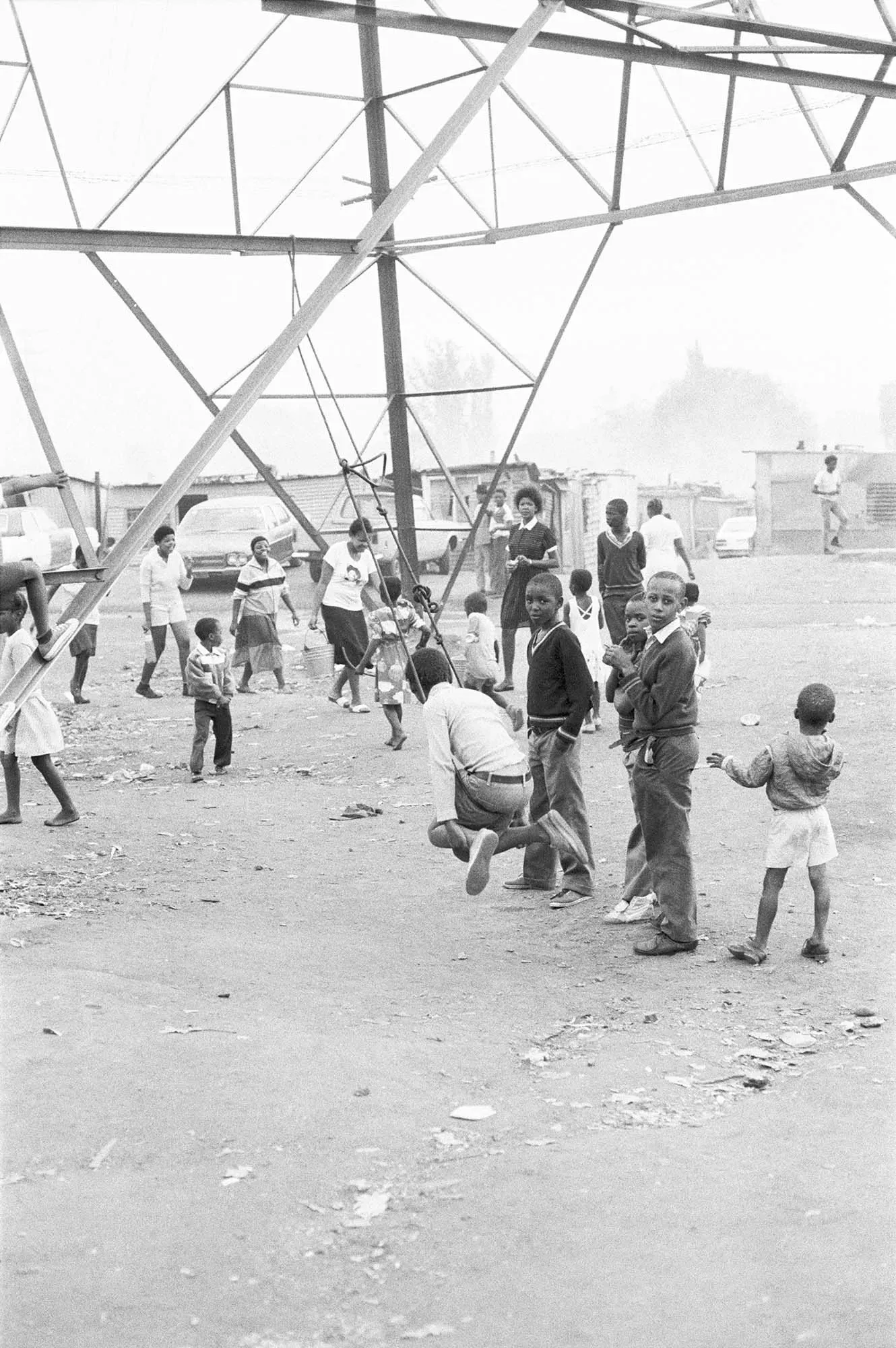
A young man dancing before a crowd becomes an expression of freedom. A woman resting in the back of a vehicle offers a fleeting moment of stillness. Children playing beneath an industrial structure remind us that life continues, even within environments marked by inequality.
Mofokeng understood that history is not only recorded through extraordinary events. It also exists in everyday gestures, familiar places and experiences that might otherwise disappear without acknowledgment.
Following the end of apartheid, his work continued to examine the relationship between South Africa's past and present. His photographs increasingly explored questions of memory, spirituality and the lasting impact of political and environmental change.
By the time of his death in 2020, Mofokeng had established a body of work that challenged how South Africa was represented, both at home and internationally.
Today, his photographs remain as relevant as ever. They offer neither easy conclusions nor simplified narratives of struggle and liberation. Instead, they reveal the complexity of human experience, asking viewers to recognise the dignity, contradictions and beauty that exist within ordinary life.
In Mofokeng's world, a quiet moment can be as powerful as a political demonstration, and an unremarkable landscape can carry the weight of generations.
His greatest achievement may have been showing us that sometimes the most important stories are the ones unfolding quietly, just beyond the spectacle.